Let me be honest with you — Tuscumbia, Alabama was not on my radar. We chose it as a stopping point between Buena Vista Motorcoach Resort in Orange Beach and eastern Tennessee, and while it was a little bit off our direct route, I had read about the Rattlesnake Saloon enough times that I just had to go. Tuscumbia completely surprised us.
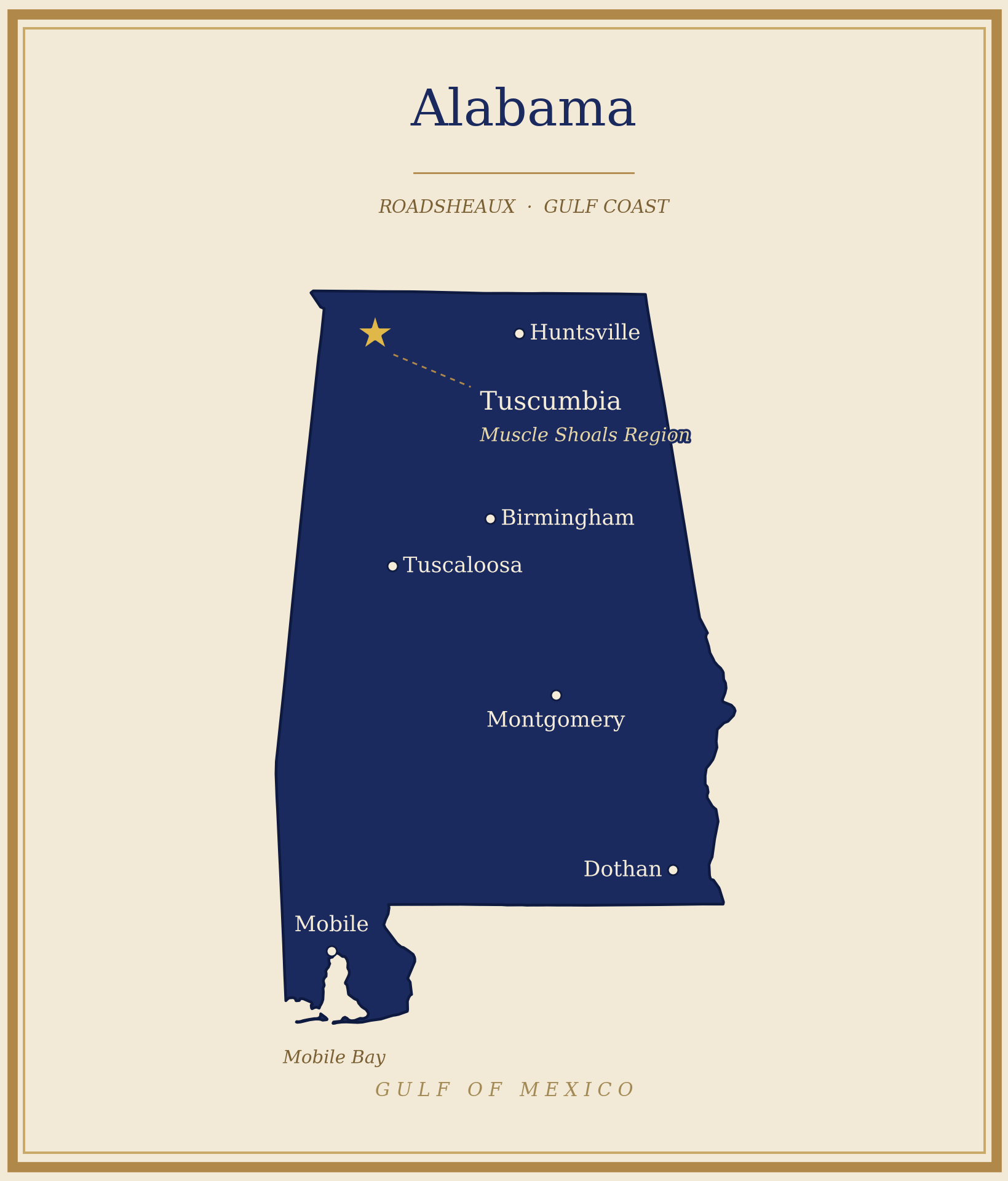
If you're a Tiffin owner and you've ever come through Red Bay for service, you already know this area. But even if you're just passing through northwest Alabama, do yourself a favor and slow down for a day or two. There's more going on here than you'd ever guess from the highway.
Where We Stayed
For the RV folks wondering where we parked the rig: we stayed at Heritage Acres RV Resort, a clean, veteran-owned park just off US-72 that made a solid home base for everything below. I wrote up a full review of the park — site quality, hookups, amenities, the works — so give it a read before you book.
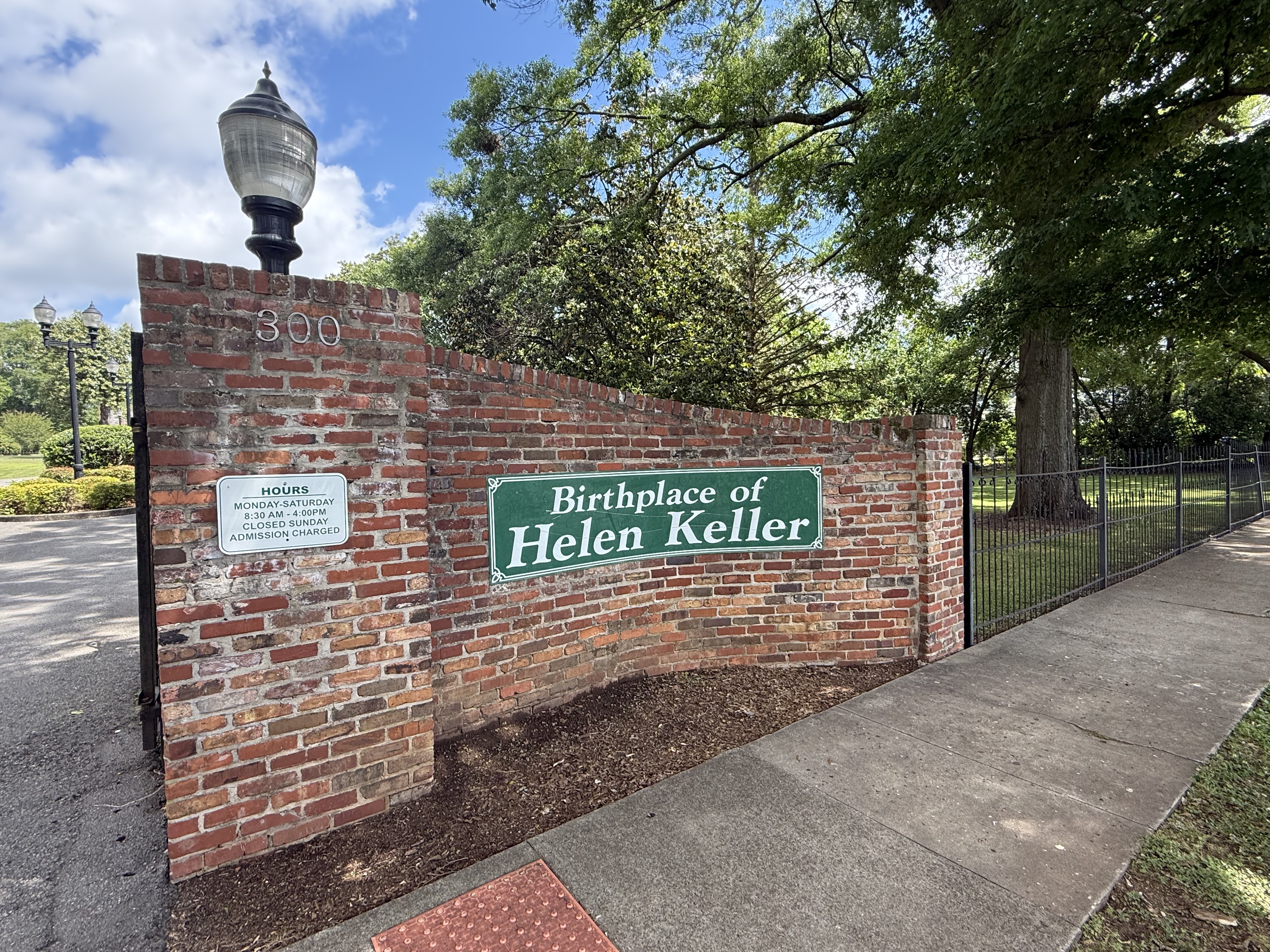
Ivy Green — Helen Keller's Birthplace
I want to say upfront that I wasn't sure what to expect from this one. A historic house tour can go a lot of ways.
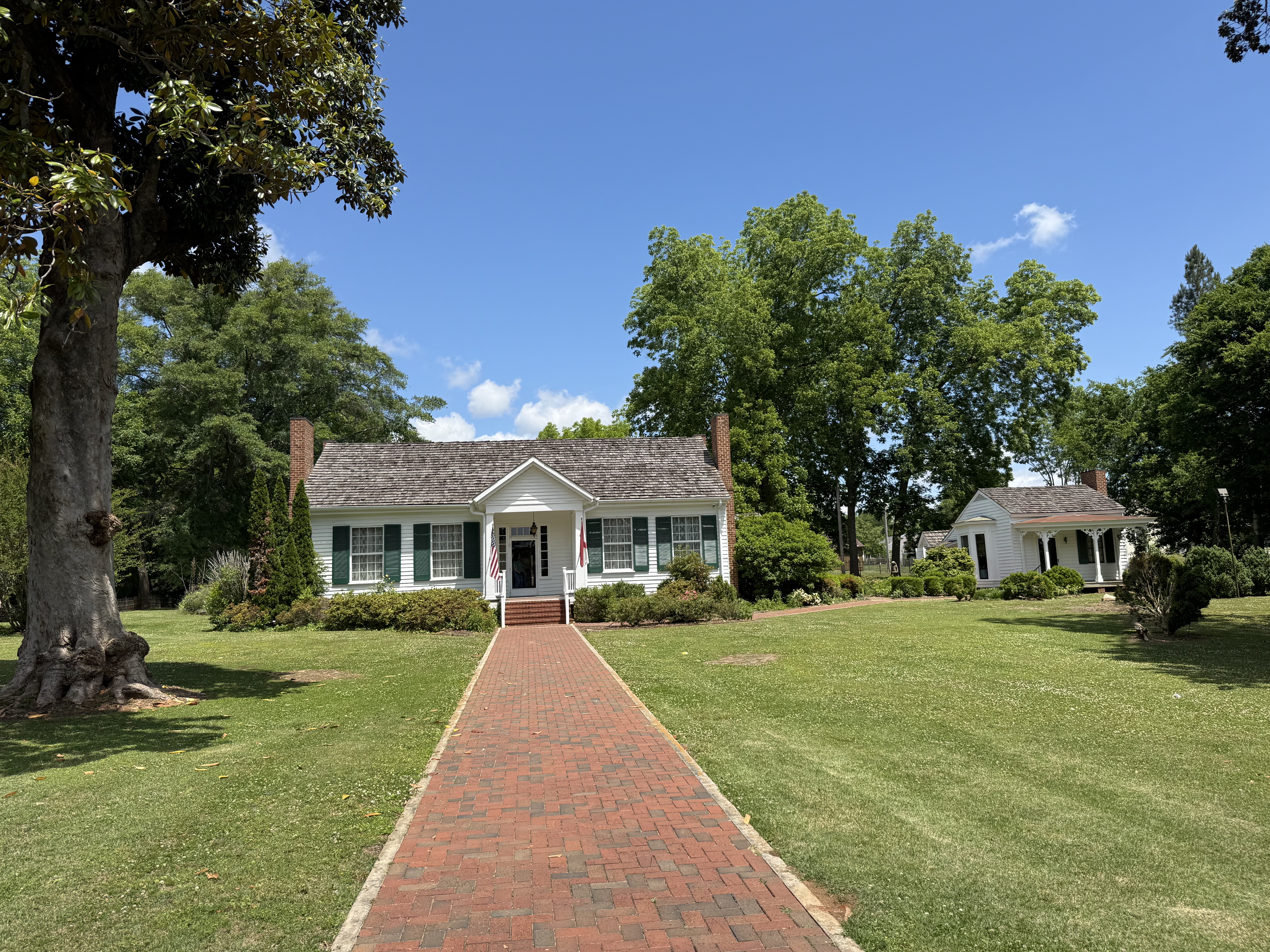
Ivy Green is the home where Helen Keller was born in 1880, and it's been beautifully maintained — about 85 percent of the original furniture and personal belongings are still there. We didn't book ahead; we just showed up and there happened to be a tour about to start. The guide was exceptionally knowledgeable, the kind of person who clearly loves what they do and could answer anything you threw at them.
Helen wasn't born deaf or blind. For the first nineteen months of her life she was like any other child. Then she became
seriously ill — what doctors of the time called "brain fever," now believed to have been scarlet fever or meningitis — and she lost both her sight and her hearing. What followed was years of darkness and frustration that turned her into a wild, uncontrollable child. Her family didn't know what to do with her.
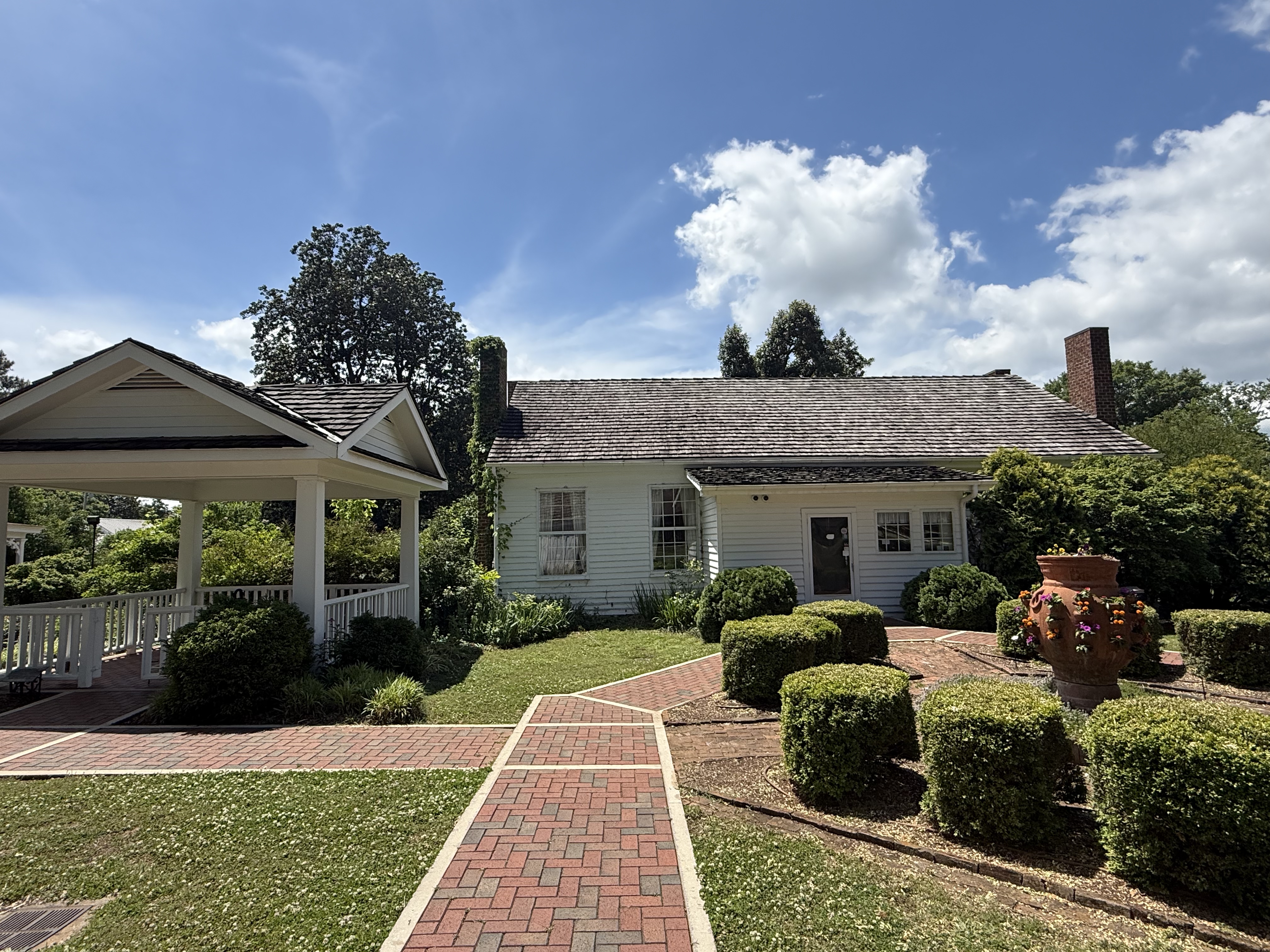
Then Anne Sullivan arrived from Boston in 1887. Sullivan was only twenty years old and partially blind herself. From the beginning, she was determined — but Helen was not easy. The family, especially her father, was protective to the point of enabling the behavior. Sullivan knew she needed to get Helen away from the family dynamic to make any real progress. The solution was both clever and a little devious: they convinced the family to let Helen live separately with Sullivan in a small cottage on the property. To make Helen think she was being taken somewhere far away, they loaded her into a carriage and drove her around for hours — but the whole time they were just going in circles. The cottage was steps from the main house.
It worked.
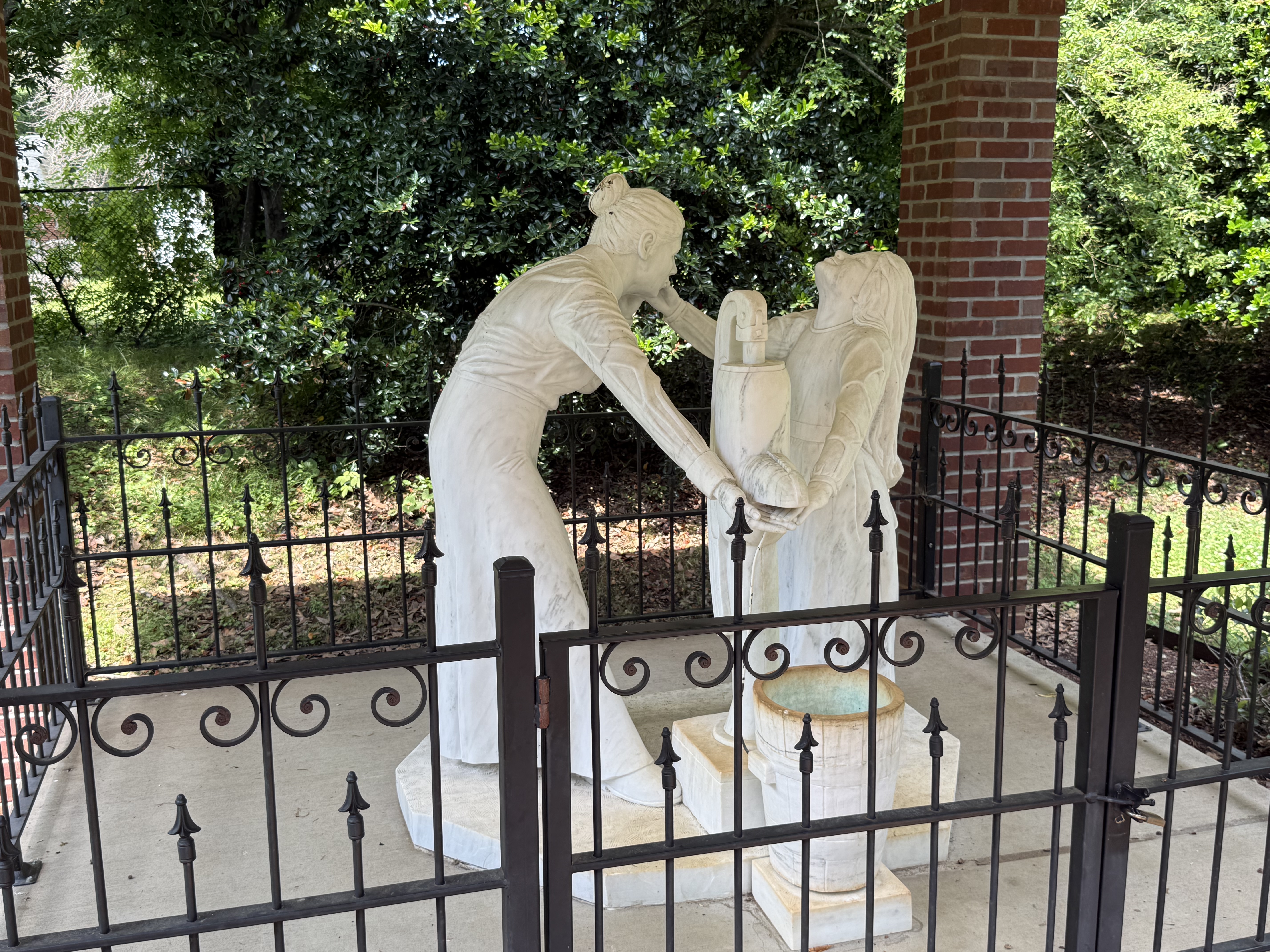
The breakthrough came at the water pump behind the house. Sullivan pumped cool water over Helen's hand and repeatedly spelled W-A-T-E-R into her palm using a manual alphabet. Suddenly, something clicked. By the end of that day, Helen had learned 30 words. You can still see that pump. You can stand right next to it. There's also a beautiful statue on the grounds capturing that exact moment — Helen, Anne, and the pump — and I'll just say the combination of standing where it happened and seeing it rendered in bronze is more moving than you'd expect.
The tour also took us through the cottage where Helen and Anne did most of their work together, and we saw the bedroom they shared. The house, the grounds, the story — all of it left an impression.
The play The Miracle Worker is performed live on the grounds on Friday and Saturday evenings each summer (typically June and July). We weren't there at the right time, but multiple people told us it's exceptional — and watching it on the actual grounds where the story happened sounds like something else entirely. If you can time your visit to catch it, do it.
Tours run Monday through Saturday, 8:30am–4pm (last tour at 3pm). Adult admission is $10.
📍 300 North Commons Street W, Tuscumbia, AL
Alabama Music Hall of Fame
This one caught me completely off guard — partly because I didn't know it existed, and partly because it's literally walking distance from Heritage Acres RV Resort.
The Alabama Music Hall of Fame honors the state's musical heritage across every genre you can think of: blues, soul, country, rock, pop. And when you start reading the list of inductees, you realize Alabama has had an almost absurd
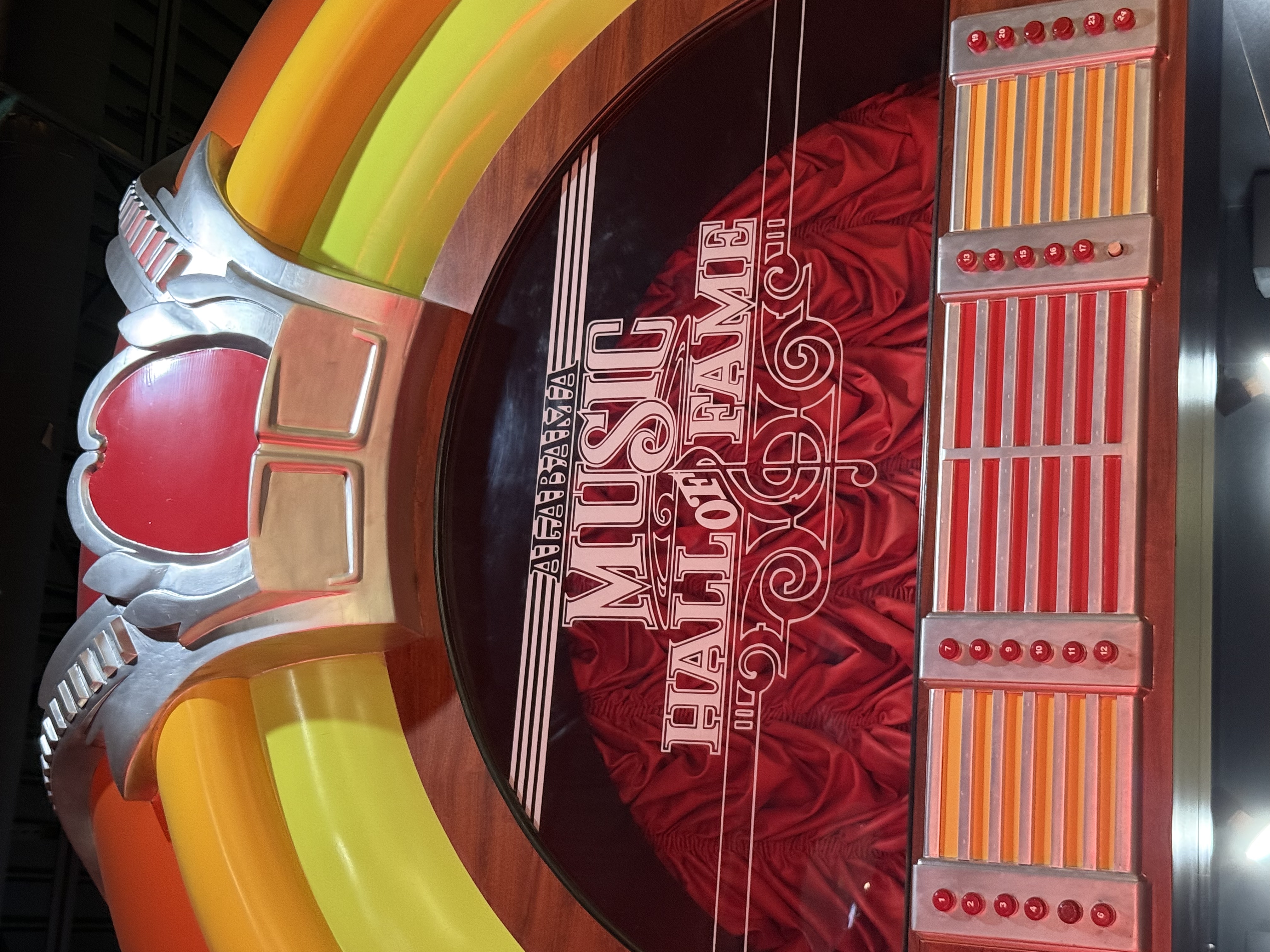
influence on American music. We're talking Nat King Cole, Hank Williams, W.C. Handy (the Father of the Blues), Lionel Richie, Tammy Wynette, Percy Sledge, Emmylou Harris, and the band Alabama — and that's barely scratching the surface.
A huge thread running through the exhibits is the Muscle Shoals story — the unlikely tale of how a small town in northwest Alabama became one of the most important recording locations in the world. The exhibits do a great job tracing how it happened, who made it happen, and what came out of it.
I'll be honest: I didn't know much of this history going in, and that actually made it better. I walked out a lot smarter about American music than I walked in.
The Muscle Shoals Studios — Worth a Detour
We didn't make it to the studios ourselves — time got away from us — but if you have any interest in music history at all, you should go. They're about 10–15 minutes from Tuscumbia and the stories attached to them are staggering.
FAME Studios (Florence Alabama Music Enterprises) was founded in 1959 by Rick Hall and is still operating today at 603 East Avalon Avenue in Muscle Shoals. It's where Aretha Franklin recorded some of her most iconic work, along with Wilson Pickett, Etta James, Otis Redding, and later Alicia Keys, Jason Isbell, and Steven Tyler, among many others.
Muscle Shoals Sound Studio was founded in 1969 by the "Swampers" — the legendary house band who left FAME to start their own place. The Rolling Stones, Lynyrd Skynyrd, Bob Dylan, Paul Simon, Rod Stewart, and Elton John all recorded there. The original building is now a museum and tour site. It's where Lynyrd Skynyrd gave the Swampers their famous name-drop in "Sweet Home Alabama."
Both studios still record occasionally, so tours aren't guaranteed every day. Reservations are recommended. But if you're a music person, these are pilgrimage-worthy.
And Yes, the Rattlesnake Saloon
That's what got us here in the first place, and it 100% delivered. But that story is long enough to deserve its own post — and it has one. Go read it.
Tuscumbia won't be on everyone's list. It's not a flashy destination. But it's one of those places that rewards the curious traveler — the one who's willing to go a little off-route for a cave restaurant and ends up standing at Helen Keller's water pump getting unexpectedly emotional about it. That's the Roadsheaux way, and Tuscumbia fit it perfectly.
Gallery