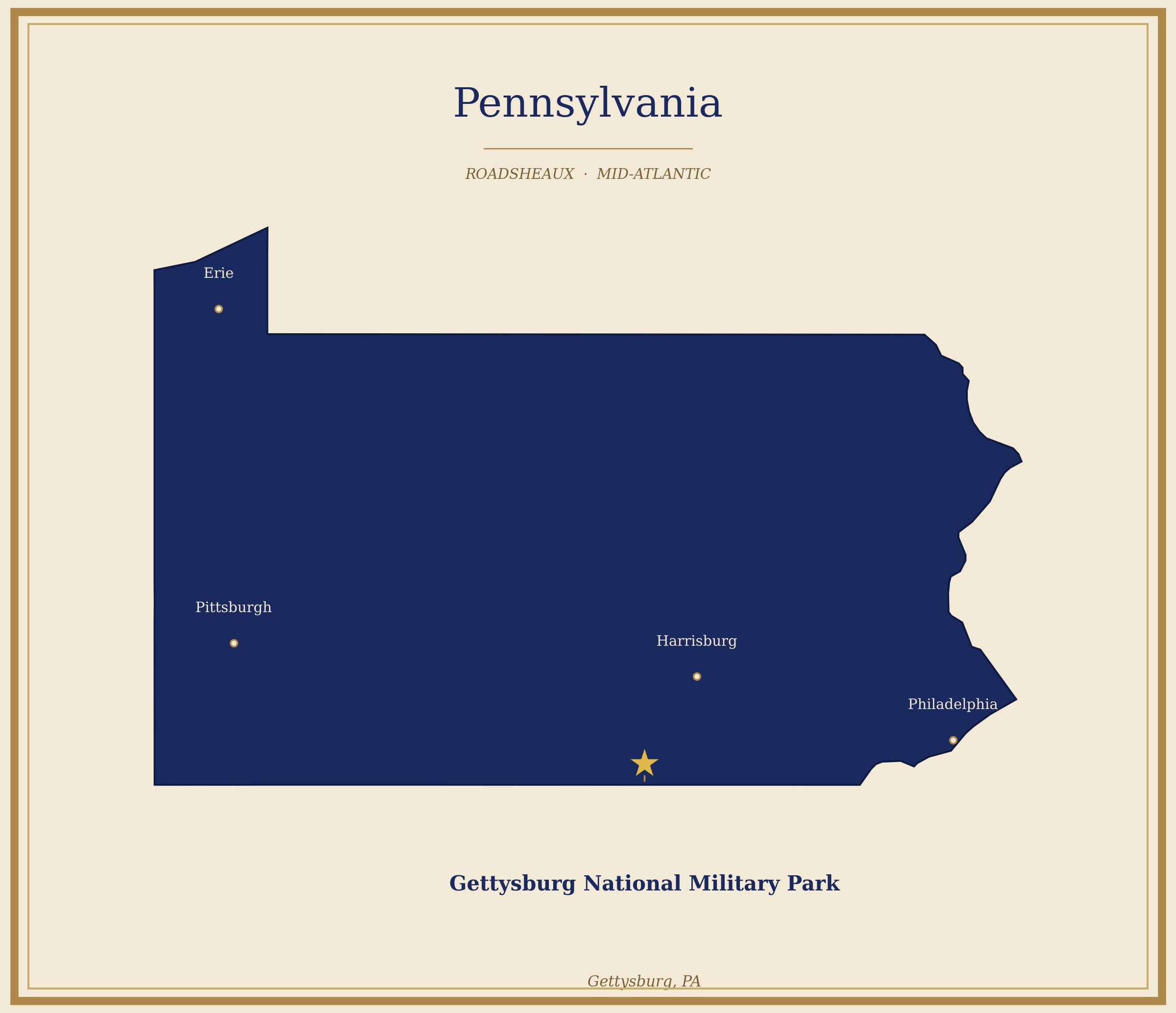
After a solid week of museums and monuments in Washington, most people would assume the next thing we needed was a break from history. We would not have blamed them. We are not huge history buff, by which we mean we do not feel the need to study every plaque or rifle that was fired in battle. And yet, of all the places we could have aimed for next, we chose Gettysburg. Part of that choice was simple logistics, because Gettysburg National Military Park sat directly along our route. The bigger reason is that Gettysburg has been on my personal list for as long as I can remember, and some places you simply have to go see for yourself. If you remember exactly one thing from a high school history class, there is a good chance it is Gettysburg, and standing on the actual fields has a way of turning those flat textbook paragraphs into something you can actually feel.
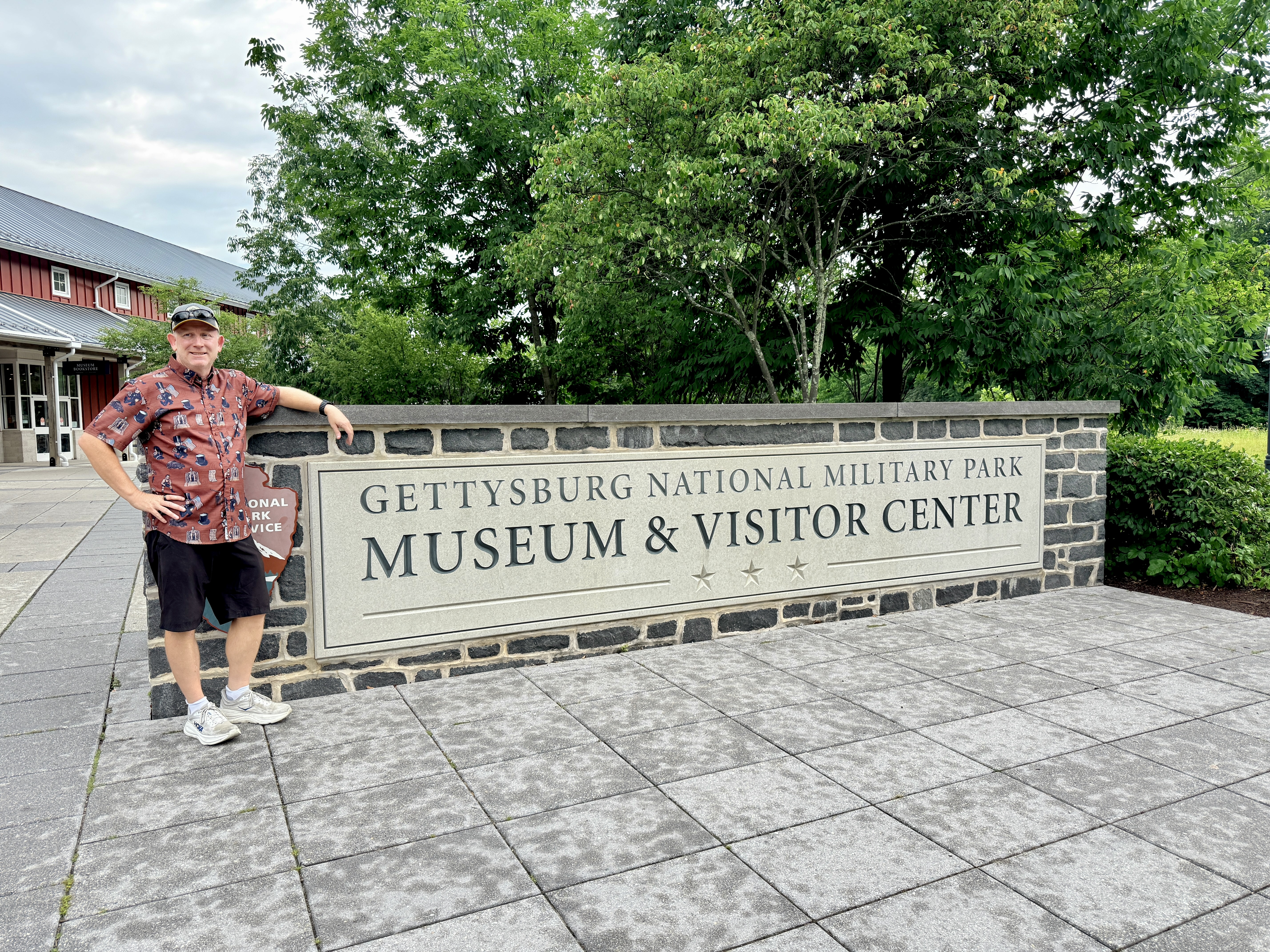
Here is the short version for anyone who needs a refresher. Over three days, July 1 through 3, 1863, two enormous armies collided in and around a Pennsylvania farm town of just 2,400 people. By the time it ended, more than 51,000 men were killed, wounded, or missing, and over seven million rounds of ammunition had been fired across those fields. The battle turned the course of the Civil War, and the town has been telling its story ever since.
Start at the Visitor Center
We began where everyone should, at the Museum and Visitor Center. The experience opens with a film called A New Birth of Freedom, narrated by Morgan Freeman, which lays out the battle and why it mattered in a way that even history-shy travelers can follow. From there you are walked into the Cyclorama. It is a single painting from 1884, 377 feet around
and 42 feet tall, wrapping the entire room so that Pickett's Charge unfolds in every direction at once. With the lights, the sound, and the narration, it is supposed to give one the sense that they are standing in the middle of the fight. And while it was undeniably cool, especially that anyone was able to create something like this so long ago, I felt that video or live action would have given me a stronger sense of actually being there. There are better tools today for making people feel that they are truly in the moment than there were in 1884.
One practical note is worth knowing before you go. The film, Cyclorama, and museum are run by the Gettysburg Foundation rather than the National Park Service, so there is a ticket cost of $20.75 per person even if you carry a National Parks Pass. There are discounts (Seniors, AAA, Veterans, etc.). The museum is deep and well done, so budget two to three hours or more depending on how much history you want to soak in.
Hire a guide and let someone else drive the story
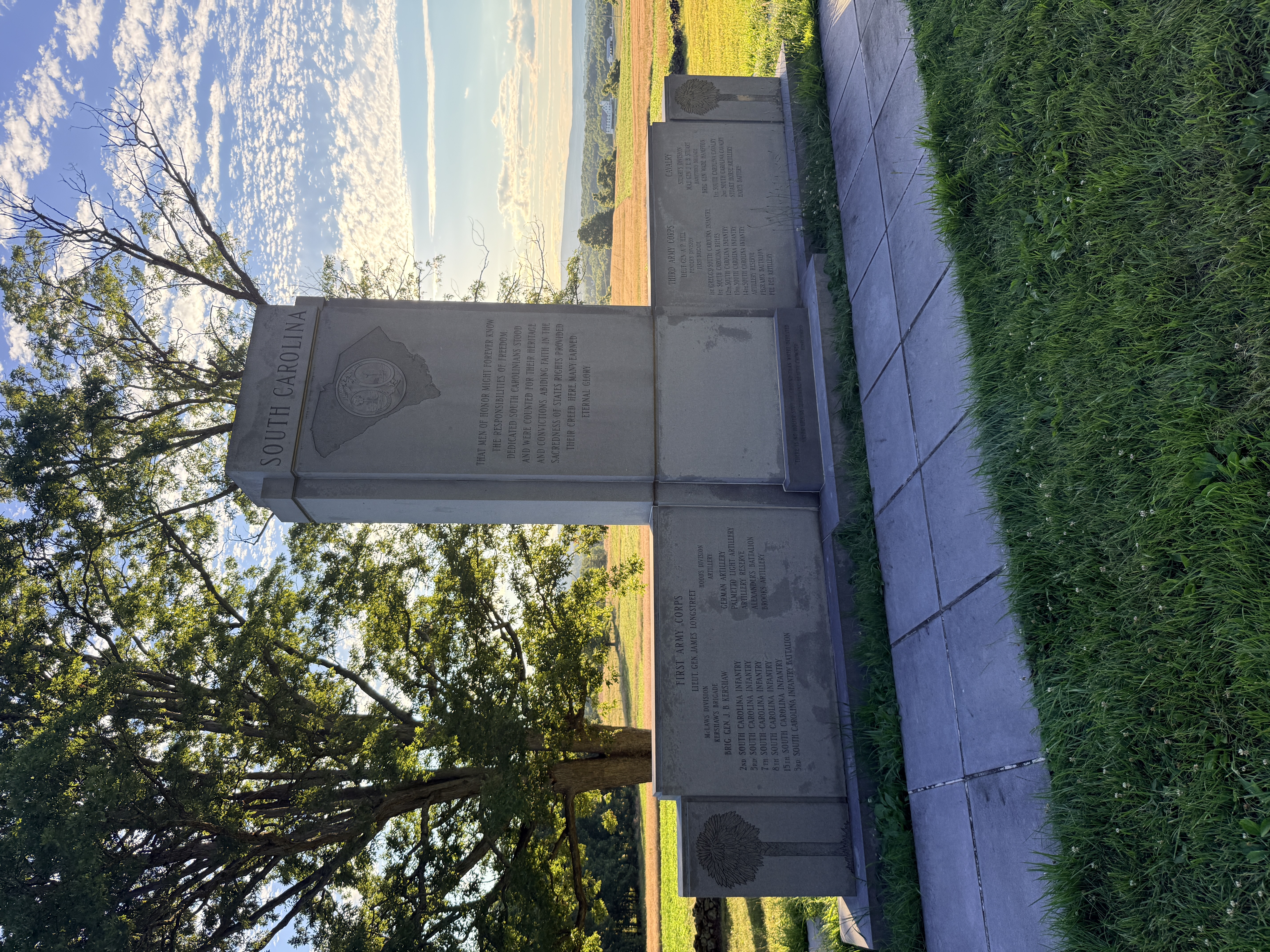
The best decision we made was hiring a private Licensed Battlefield Guide. For $85, a guide climbed into my truck and walked us through the battle in the order it happened, from the opening shots on Day 1 to the final, doomed assault on Day 3. The cost worked out to about the same as buying two tickets for the bus tour, except we had an expert all to ourselves, and he shaped the day around us. He made a point of showing us where troops from North and South Carolina and Ohio fought, since that is where our own roots run.
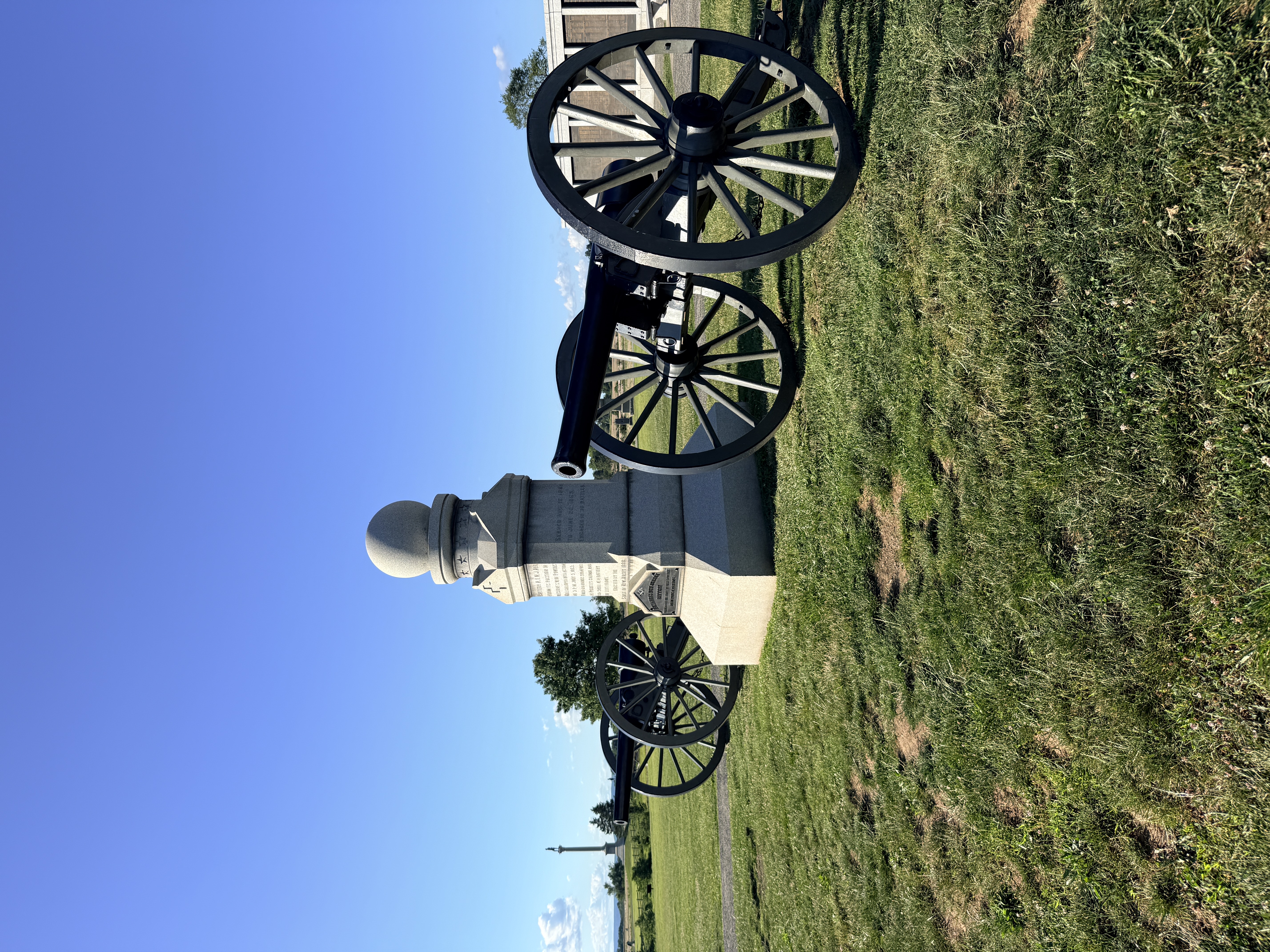
Our guide was full of the kind of details that stick with you. He taught us to read the equestrian statues, where a horse with two hooves off the ground means the general was killed at Gettysburg, one hoof means he was wounded, and all four on the ground means he came home. He told us that the Confederate army was so short on supplies that roughly one in five soldiers fought barefoot, marching for miles over rough ground and then into battle without shoes. He also pointed out that the battlefield holds about 1,328 monuments and markers today, and if you want to go deep, the gift shop sells guides that catalog what each one is and why it stands where it does.
A few of the names you will hear are worth knowing in plain English. Devil's Den is a jumble of giant boulders where the fighting was savage, and it is now the most photogenic spot on the whole field. Little Round Top is the rocky hill at the end of the Union line where a desperate stand held the army's flank. Pickett's Charge was the moment it all turned, when roughly 12,500 Confederate soldiers marched across nearly a mile of open field into the center of the Union line and were thrown back. Stand on that field and picture that many men crossing it, much of the fighting hand to hand.
Beyond the private guides, the park also runs a full slate of free ranger-led walks and hikes, and they are well worth building into your visit. Park Service rangers lead everything from short, focused walks at spots like Devil's Den, Little Round Top, and Culp's Hill to broader looks at the first and third days of the battle, along with tours of the National Cemetery and longer, in-depth battle walks across the ground itself. Some evenings even feature a campfire program with a ranger. The lineup changes through the season, so stop by the Museum and Visitor Center and grab the current Ranger Programs sheet, which lays out that day's offerings, meeting spots, and times.
The Cemetery
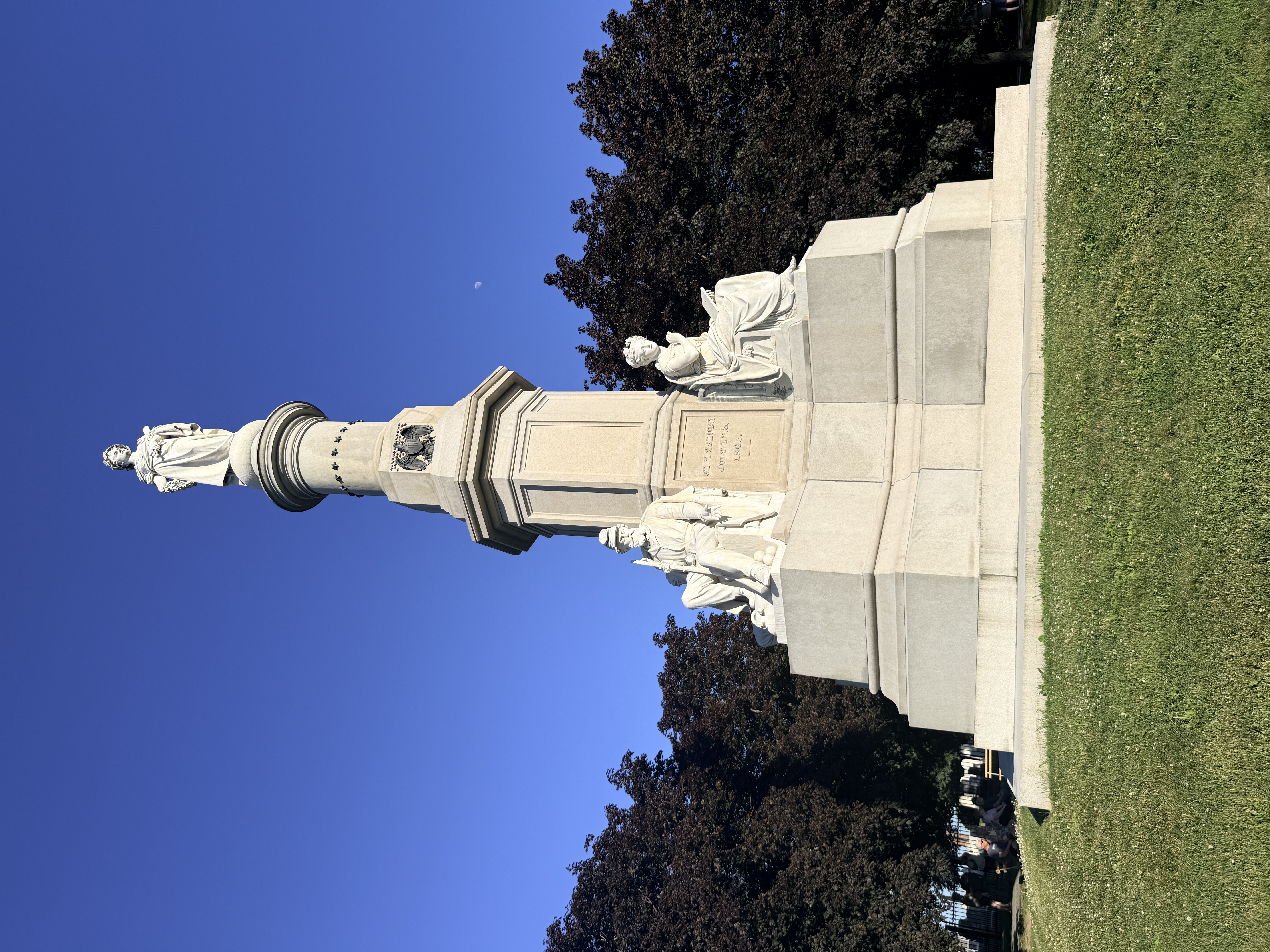
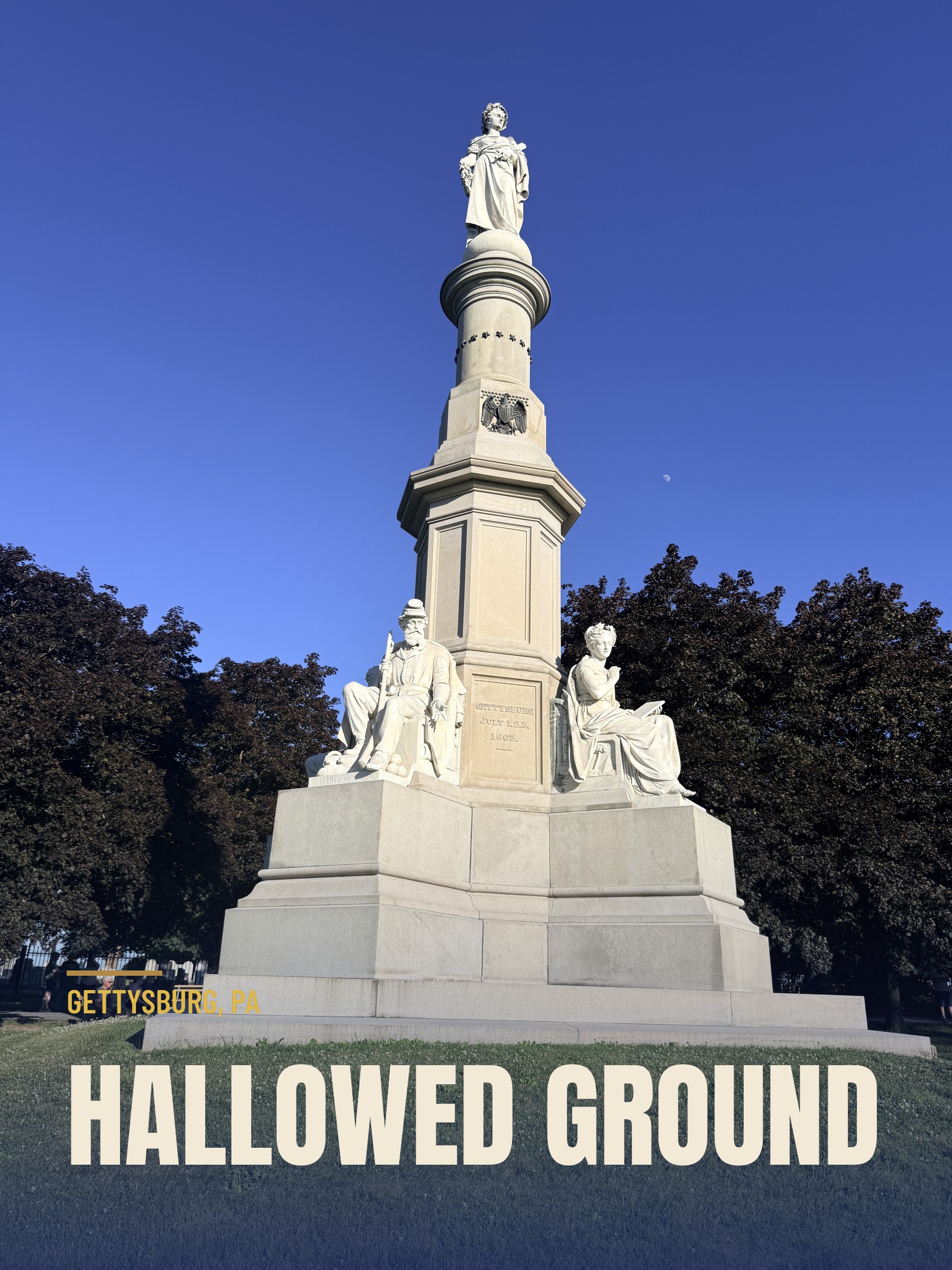
When you are ready for something slower, walk the Gettysburg National Cemetery. Roughly 3,500 Union soldiers who died here are buried on this hillside, and it remains a calm, dignified place centered on the Soldiers' National Monument. This is also where, at the cemetery's dedication on November 19, 1863, about four and a half months after the battle, President Lincoln delivered the Gettysburg Address. His speech ran barely two minutes and around 272 words, and it became one of the most famous speeches in American history.
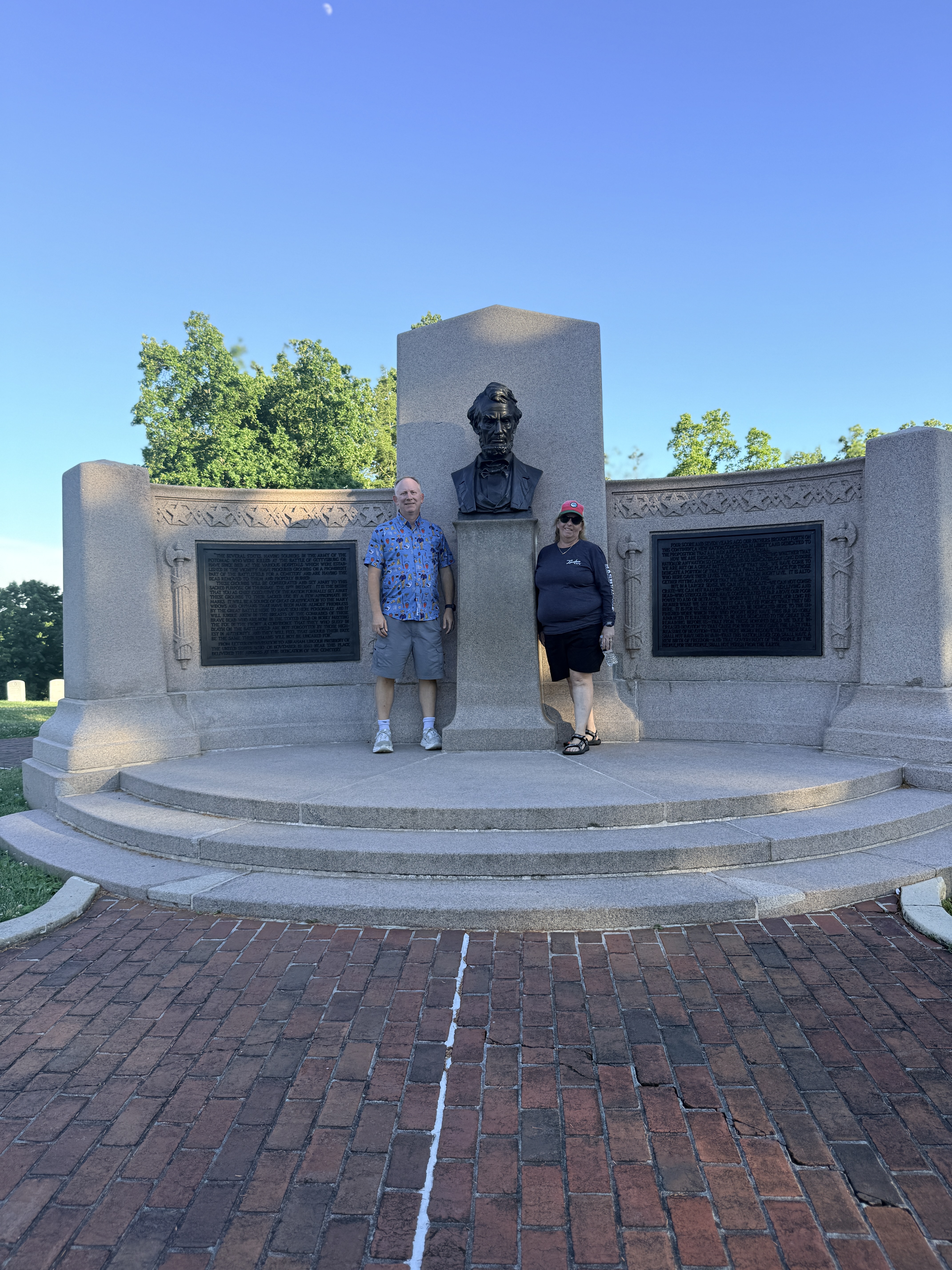
If you can possibly time your visit for the evening, stay for One Hundred Nights of Taps. Every night from Memorial Day to Labor Day, a volunteer bugler sounds Taps in the cemetery, and each evening honors one specific soldier with a short story of his life. The whole program is free, open to the public, and lasts only about fifteen minutes, but the low sun, the flags, and that single bugle add up to a moment you do not forget. Check for the current time as it varies.
Stuffed with history
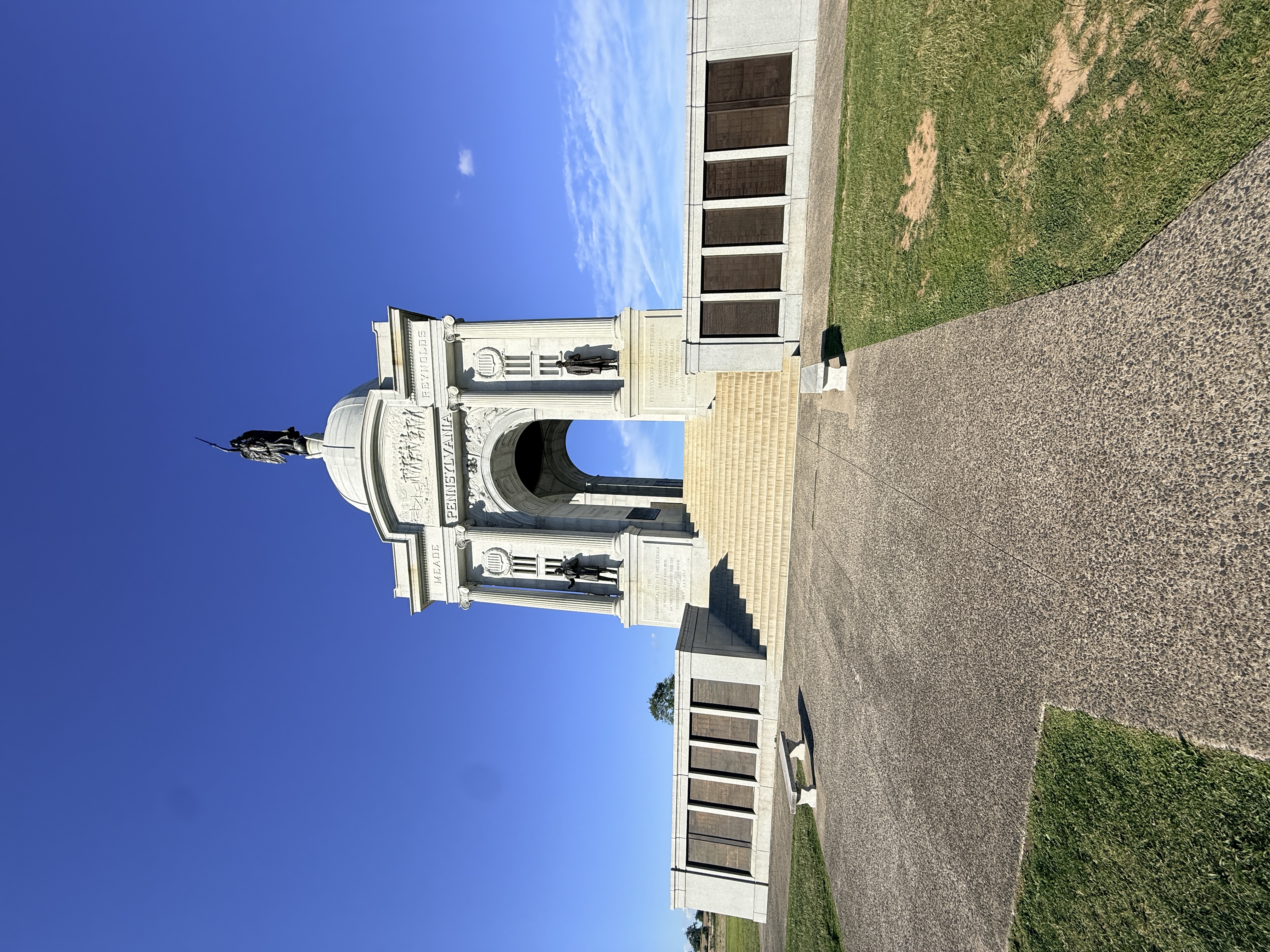
We ended up spreading our time on the battlefield across several days, and we were glad we did, because there is far more here than you can take in on a single pass. A visitor who plans well and gets an early start could still see most of the highlights in one full day, so do not let the size of the place scare you off. However you choose to do it, give yourself room to slow down, because Gettysburg rewards anyone who stops long enough to let it sink in. We came for a place that had been on my list for years, and we came away understanding why it has held its grip on the country for more than a century and a half.
Gallery